Why do dogs love treats so much?
The rustle of a bag, a happier voice: why dogs react so strongly.
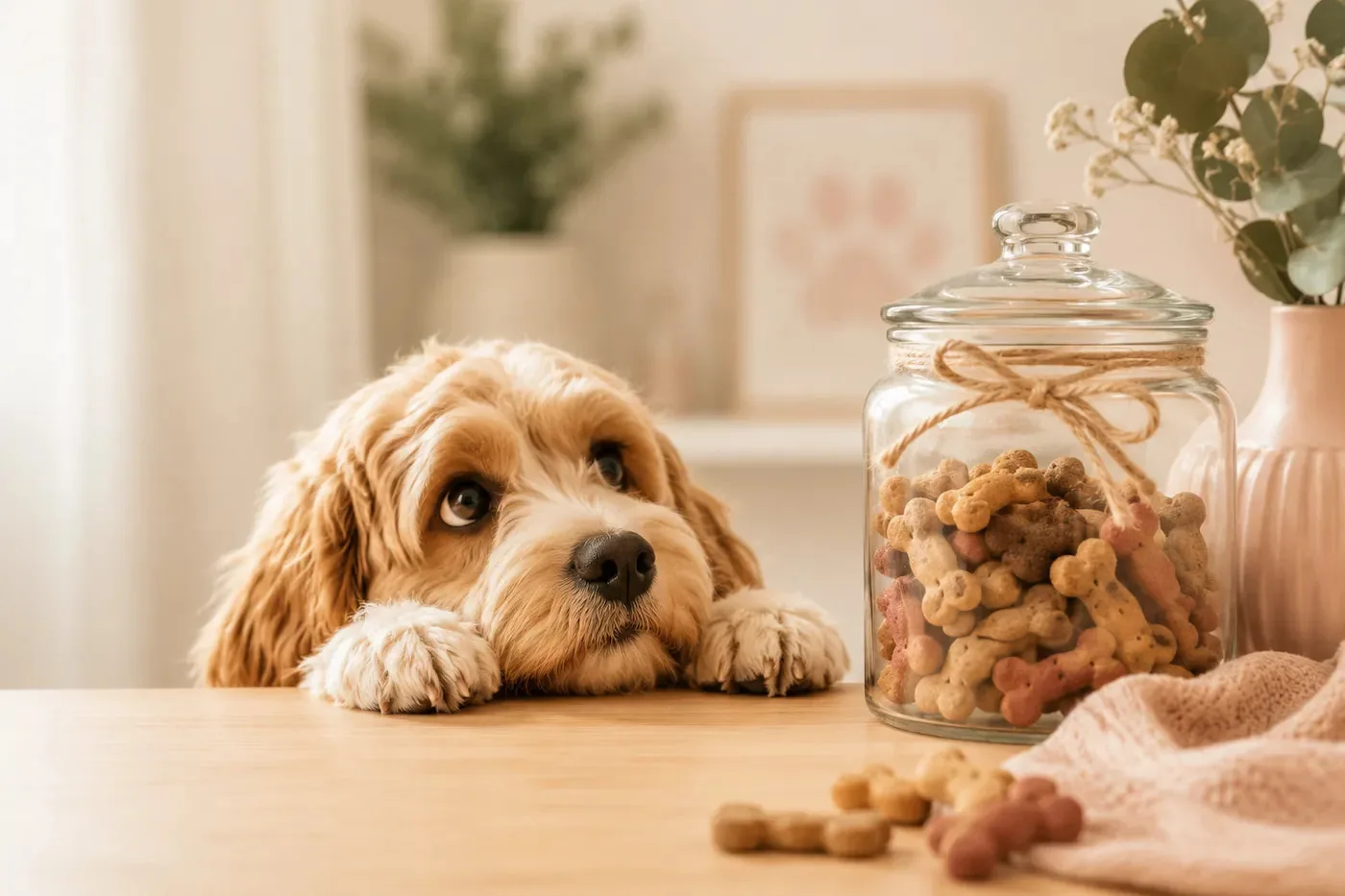
When you live with a dog, there are things you learn to recognize right away.
The sound of the leash.
The word “walk”.
A door opening.
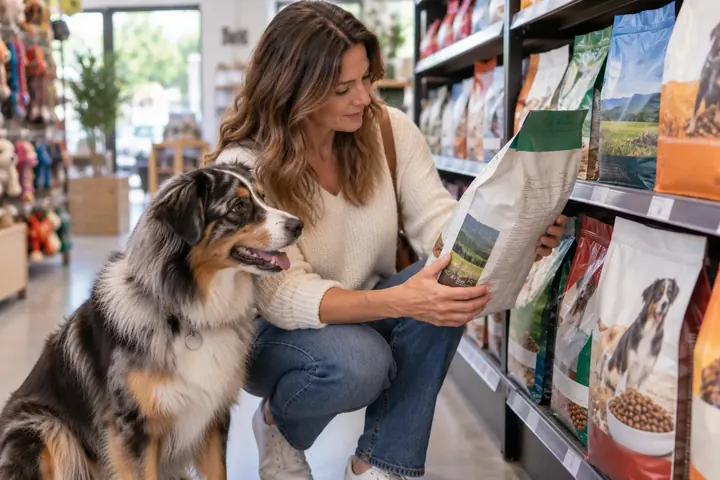
And then… the famous bag of treats. 🧡
Even a dog in a deep sleep can suddenly lift its head, show up in the kitchen a few seconds later… and look at exactly the right spot.
After seeing scenes like this again and again, you end up realizing something:
It's not just the food they're interested in.
They also react to habits, smells, our voice and lots of little gestures we make without even thinking.
A treat can become a game, a stimulating activity or simply a pleasant moment shared with their human.
And the more you watch them… the more you realize how well they understand our habits.
1. They notice far more details than we think
We often think we're being discreet.
But they notice everything.
- A glance toward the cupboard
- A hand reaching for a drawer
- The sound of a container
- The pouch we grab before the walk
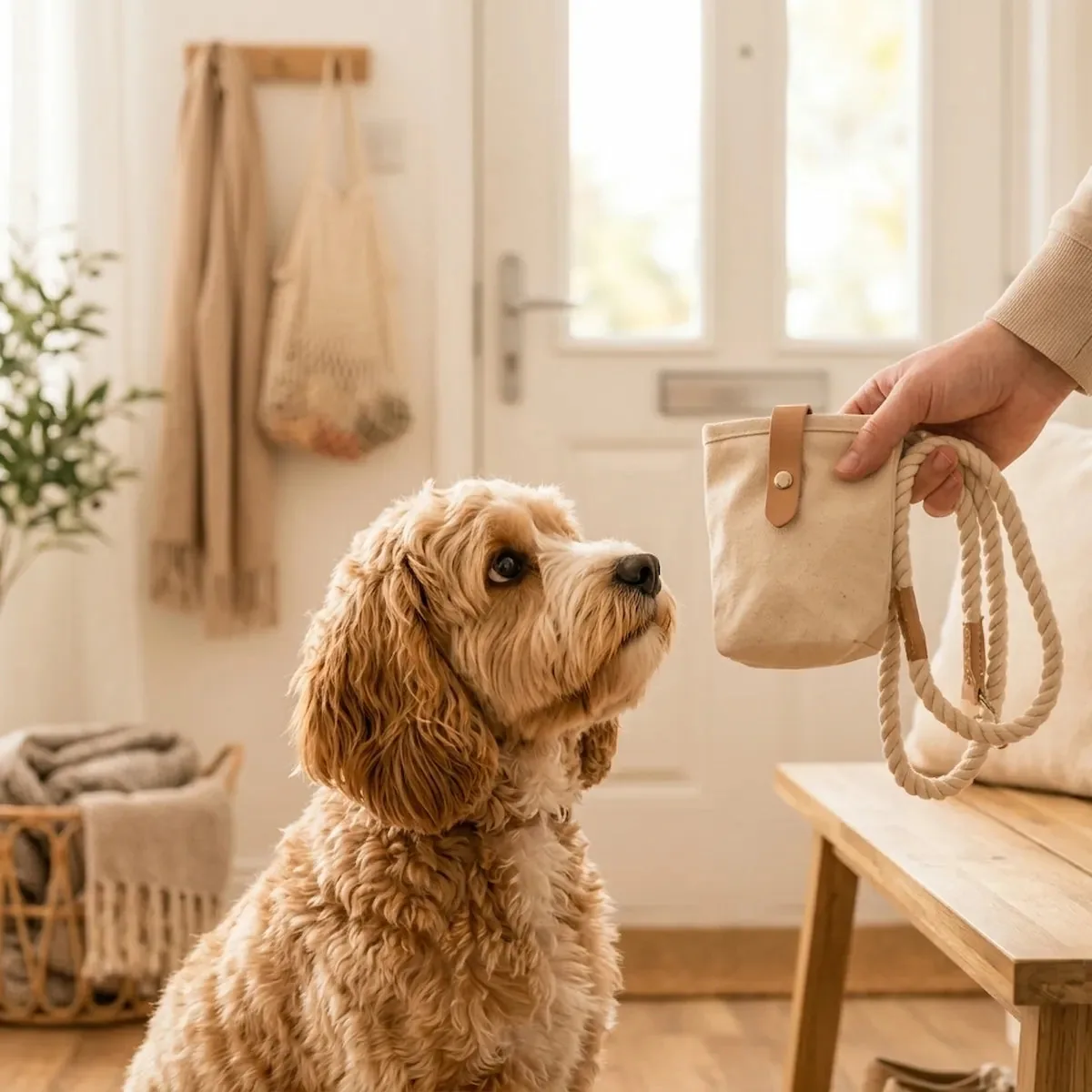
After a while, they recognize very specific routines.
That's also why opening an ordinary drawer gets no reaction… while opening THE RIGHT one immediately grabs all their attention.
They quickly understand what's coming.
2. The anticipation becomes almost as exciting as the treat
Most of the time, the pleasure starts before the reward even appears.
- The rustle of a bag
- A slightly happier voice
- A move toward the kitchen
And suddenly, the dog becomes attentive.
The one that follows its human all over the house.
The one that discreetly stares at the treat pouch during the walk.
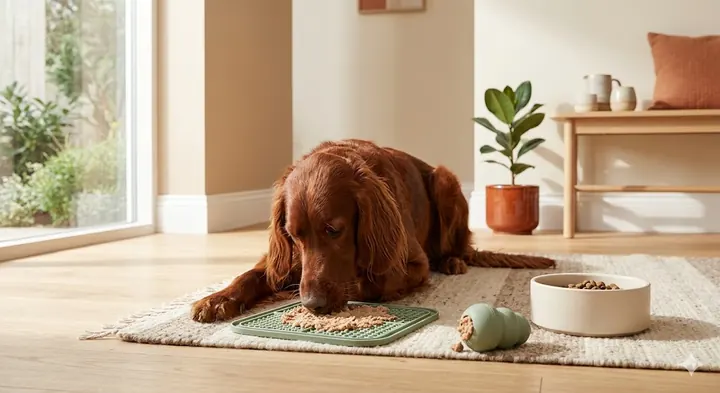
Or the one that goes back to check its already-empty lick mat.
It understands that something interesting is happening.
And sometimes, the anticipation becomes almost as exciting as the treat itself.
3. They recognize much more than words
Dogs don't just react to words.
Our tone of voice is a strong cue.
We often use a different voice without realizing it when a reward is involved.
- A happier tone
- Softer
- More enthusiastic
These small changes become easy to recognize.
And often, they understand what's coming before we even open the bag.
4. Their memory for smells is impressive
We mostly remember what we see.
Dogs rely on their nose.
And they don't just smell “a treat”.
They quickly recognize:
- The smells left on our hands
- The container used
- The cupboard where rewards are kept
- The spot where a food activity has already taken place
That's often why a dog immediately recognizes its famous treat jar among plenty of other containers.
Or why it goes back to check its already-empty lick mat.
Some smells quickly become linked to pleasant moments.
That's what makes sniffing games so stimulating.
5. Searching for a reward stimulates their brain
A treat handed over directly and a reward hidden in a game don't trigger the same reaction at all.
When a dog has to search a little or think, it stays busy longer.
You can see it with snuffle mats or enrichment toys.
Even after finishing, many dogs keep coming back to sniff, lick or check whether something is still hidden.
Sometimes it even seems the activity becomes as interesting as the treat itself.
Searching, sniffing and digging are part of the fun.
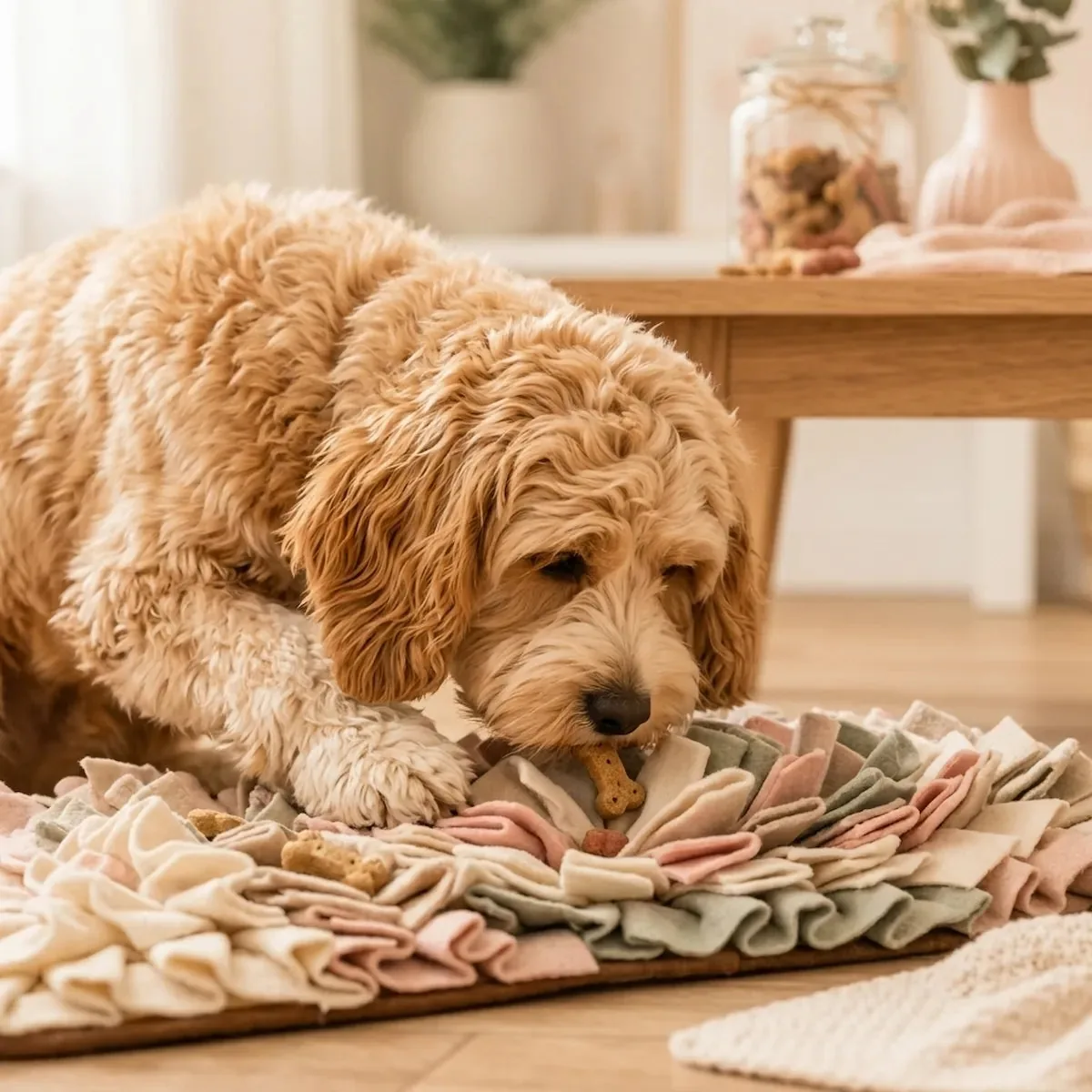
💡 A lick mat, a snuffle mat or a KONG-type toy can easily turn a simple treat into a stimulating activity.
6. Routines become important to them
Dogs love daily habits.
- Walk
- Back home
- Quiet time
- A little treat
After a while, they know the whole sequence by heart.
It's fascinating to see how well they anticipate certain moments.
Sometimes, all it takes is:
- putting on a pair of shoes
- grabbing the right pouch
- or glancing toward the counter
to see a dog appear instantly.
7. They quickly learn where the treats are kept
When you live with a dog, rewards rarely stay secret for long.
They quickly recognize:
- the jar with the “best treats”
- the bag used for walks
- the basket with their favourite toys
Soon, all these little objects become familiar.
Sometimes, just touching a pouch near the leash is enough to make a dog appear instantly.
8. Not all treats trigger the same reaction
Depending on how it's given, the same treat can trigger completely different reactions.
- A small, very smelly bite
- A long-lasting chew
- A treat hidden in a game
- A mix served on the lick mat
Some mainly create excitement.
Others encourage:
- calm
- focus
- chewing
- exploration
That's also why a dog can ignore a reward in one context… then become completely motivated by the same treat somewhere else.
In the end, it's not just the treat that matters.
It's the whole moment around it.
Read next
- Why do dogs love sniffing so much on walks?
- 7 simple (and truly effective) ways to make your dog's meals more stimulating
- The essentials for your dog
In conclusion
When you really start watching them around treats, you quickly realize it's not just the food that matters.
They notice smells, routines, objects, gestures… and even changes in our voice.
A simple treat can then become a small mental challenge, a reassuring ritual or a pleasant moment shared with their human.
After that… it's hard to look at a bag of treats the same way. 🐾
According to specialists at the American Kennel Club (AKC) and VCA Animal Hospitals, treats are often a highly motivating reward for dogs and, offered in moderation, can support learning, reinforce desired behaviours and enrich their daily life.